Keeping Cool Without AC: Absolutely Impossible. Right?

Updated: Aug 14
Can we imagine life without air conditioning — and should we? Exploring passive cooling, nature-inspired design, emerging materials, and impactful small changes reveals how we are reviewing the way we keep buildings comfortable. Solutions like Moroccan adobe courtyards, Indian stepwells, perforated facades, and green roofs blend ancient practices with modern urgency.

There is no denying it: Air conditioning is fantastic, it's easy, it's essential, and it's what we know. But there are drawbacks. There are concernts about health and energy bills, plus not everyone can afford it, highlighting issues of inequality.
From an environmental perspective, things don't look much better. While carbon dioxide is often highlighted in climate debates, some researchers argue that the negative impact of chemical refrigerants from modern ACs, though often overlooked, have a negative impact on Earth that's much worse. While the blasted-out heat from all the units themselves heat up cities, researchers say that their chemicals even contribute to a global rise in summer temperatures. All in all, the US Environmental Protection Agency (EPA) emphasises the need to phase out harmful refrigerants, like HFCs.
Feedback Loops and Blind Spots
Wait a minute, are we talking about this one device that blows cool air into our rooms? It can't be that bad, surely? Well, researchers highlight a weird, vicious cycle of further warming. They say that as summers heat up, more and more people around the world use air conditioning, and that this contributes to more harmful emissions and, in turn, keeps the catch-22 going.
So, specialists like Dr. Radhika Khosla from the University of Oxford emphasise the need for sustainable cooling solutions that address social inequality and reduce harmful emissions, and experts like Fatih Birol, who runs the International Energy Agency (IEA), highlight that in energy debates, the negative impact of increasing air conditioning demand is overlooked. Plus, there's a silver lining. In the IEA report The Future of Cooling, Birol mentions that it is precisely by changing how we cool our buildings that governments [and individuals] have a real shot at lessening our environmental footprint.
"Precisely by changing how we cool our buildings; governments [and individuals] have a real shot at lessening our environmental footprint."


Time for a New Cooling Reality?
So, while many of us are unaware of alternatives, meanwhile the intense summer heat drives innovation in cooling methods. These new approaches offer sustainable ways to keep our homes and buildings cool, with some already in practice, providing eco-friendly solutions during the hottest summers.
New Cooling Initiatives
First, there are urban initiatives going on. As cities grow and need more and more ways to keep cool, such initiatives and planning are now all about sustainable cooling ideas. This means adding cooling features to building designs and going for big-picture solutions like green roofs and walls. These not only help with insulation but also cut down on city heat, so we're not just depending on individual air conditioners.
Take the India Cooling Action Plan (ICAP), which serves as a guide for keeping homes cool in hot climates, emphasising urban planning, building design, and new, cleaner types of refrigerants. Dr. Radhika Khosla, an expert in holistic cooling projects, has also developed a framework for innovative cooling solutions. She stresses the importance of incorporating street trees, green walls, and green roofs in urban planning, as noted when she spoke with with Perspective Living.

Traditional Passive Cooling
Meanwhile, let's take a moment and imagine ourselves walking into a cool house in the desert with no air conditioning, despite it being over 45 degrees C outside. The secret lies in passive cooling techniques, which have been used worldwide for ages. These methods utilise natural elements like breezes and smart building designs to keep the house cool without active gadgets.
Passive cooling is simple, cost-effective, and keeps indoor air fresh without incurring maintenance or energy bills. If that sounds like a stretch, think about how certain designs can naturally create wind, even inadvertently, such as seen in Leeds where a skyscraper caused a wind tunnel effect with gusts up to 128 km/h (80 mph)!
That it works is demonstrated by research; for instance, one study shows that certain Moroccan buildings made of local materials maintain indoor temperatures 5°C lower than nearby concrete houses, reduce energy consumption by 65%, and decrease hours of uncomfortable heat by 25%.

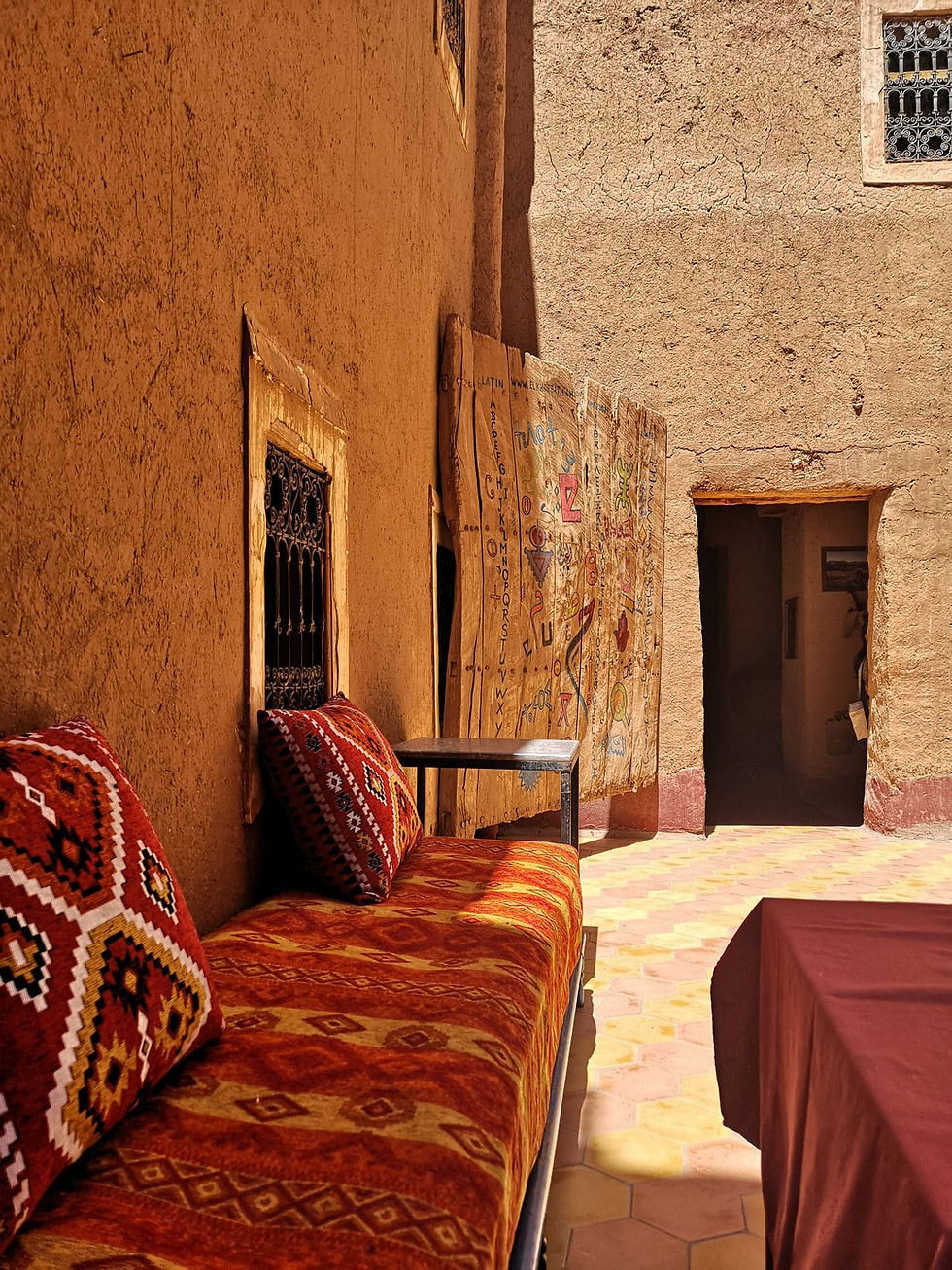

Rethinking our Buildings and Architecture
Besides emerging urban cooling initiatives, we are also rethinking the way we build our homes and buildings, and the trend of using centuries-old passive cooling methods is gaining popularity. While most homes rely on air conditioning and heating to compensate, modern architects are innovating to maintain comfort without these systems.
Tiny houses and prefabricated homes are popular for their ease of construction, reduced waste, and minimal heating or cooling needs due to their size. They use natural materials like CLT (cross-laminated timber), known for its passive thermal insulation. The European Environment Agency even notes that well-designed buildings can keep us cool during heatwaves.
Advanced Cool Systems
In terms of actual systems, creative minds are also exploring air conditioners with more efficient and less harmful refrigerants, and alternative systems like the urban cooling bamboo system, which uses warm air, water, and bamboo to work effectively during heatwaves. Geothermal cooling systems transfer heat from buildings to the earth using renewable energy. Swamp coolers, or evaporative coolers, are ideal for dry areas by cooling through water evaporation. Radiant cooling system, found in commercial buildings and European designs, use chilled wate in panels or tubes to cool surfaces and people with less energy and are gaining popularity in North America.
Advanced Materials
Then there are high-tech materials and coatings to cool buildings without electricity or refrigerants being explored and developed. Innovations like 'photoluminescent facades' reflect sunlight to keep surfaces cooler, as studied in the Cold Surface project. This technology could reduce cooling energy needs by 5% to 10% and mitigate the so-called urban heat island effect. Special nickel-titanium alloy wires are also being researched as a more efficient and chemical-free alternative to traditional air conditioning by emitting and absorbing heat when stretched. Even though the research is still in the early stages, these technologies seem promising.
Nature Inspired Systems
There are also innovative cooling specialists that are working on new tech inspired by nature's own ways of staying cool. They've checked out how termite mounds—those big structures built by tiny insects—and marine coral manage airflow and ventilation, and they're using these ideas to keep buildings cool. Plus, nature-inspired cooling systems on skyscrapers and tall buildings around the world are already cutting down on energy use and emissions by mimicking natural designs and plant-based cooling methods.

Every Little Helps?
Meanwhile there's also a growing trend of cooling indoor spaces ourselves without using AC. Many online tips highlight that small efforts can help, such as making sure we don't take away, or plant trees in our gardens for natural shade as they can be more effecive than shade sails. People are adopting strategies from places like Spain, such as keeping cool night air inside until it heats up outside, and avoiding hot meals in the evening to prevent warming the house.
Keeping Cool without AC: A Shift in Perspective?
What's the next step for keeping cool without AC? Encouraging numbers show alternative cooling options are effective. In China, green roofs have reduced the average land surface temperature by 0.91 degrees C, Dr. Radhika Khosla pointed out to us and experts as Energy Digital Magazine, highlight the resurgence of passive cooling techniques used before modern appliances.
Looks like the future of sustainable cooling is already here! It's all about blending old-school wisdom with cutting-edge designs to tackle city heat and energy use efficiently. Think of traditional features like arches, big windows, high ceilings, tree-shaded verandas, and wood materials that naturally keep spaces cool. Plus, using reflective surfaces, radiant and evaporative cooling, shading, ventilation, and urban tweaks really help manage heat exposure.
Or, as Dr Khosla told us: "A shift in perspective comes from recognising that we have many ways to stay cool and achieve thermal comfort. Ways that don’t require air conditioning." She added: "Such passive solutions, including shading and ventilation, have been available to us for generations. They allow for a much more sustainable cooling, energy and climate future."
"A shift in perspective comes from recognising that we have many ways to stay cool and achieve thermal comfort."
Ancient Passive Cooling around the World
Skywells
Skywells, or 'air wells' and 'wind catchers' in China, have been a part of Chinese architecture for ages, helping to keep things cool and ventilated naturally. They work with something called the 'chimney effect,' where warm air rises and leaves through a vertical shaft, pulling in cooler air from below. Lately, modern Chinese architects have been reviving these traditional skywell designs to boost passive cooling and collect rainwater.
Stepwells
Indian stepwells are deep structures with super detailed designs. Back in the day (though many still do today), they were all about saving water, keeping things cool, hosting social events, and helping out with farming during dry spells. Thanks to, for instance, being so deep, having thick walls, and the magic of water evaporation, they're about 5 to 8 degrees Celcius cooler than the outside air. These stepwells have been around for about 1,500 years and are still doing their thing, like at the Pearl Academy of Fashion in Rajasthan, where it's a whopping 20 degrees cooler inside. Fixing them up could really help with droughts and water shortages, according to Smart Water Magazine.


Windcatchers
Wind catchers are these tall structures that naturally cool down buildings. They do their magic by pulling in cool breezes, pushing out warm air, and using water to chill the air. Even though they might look simple, copying them takes a deep understanding of the landscape and environment, as an expert architect points out. These structures first popped up in Egypt about 3,300 years ago and have been used for centuries. While they're mainly found in Iran, Egypt, and the Middle East, they're also doing a great job in Australia, where people call them 'wind towers'.
Perforated Building Facades
Perforated exterior facades, also called ventilated facades, are also great for passive cooling. These designs use small openings to boost air circulation and keep out intense heat. They let air flow better, filter sunlight, and offer natural shade without needing any electricity. Inspired by traditional designs like the Middle Eastern *mashrabiya* and South Asian *jali* screens, these facades are now popular in modern architecture all over the world, from North Africa and Europe to Asia and the Americas.

Mud-brick Beehive Dome Houses
Mud-brick beehive houses are ancient, cone-shaped buildings you can find in places such as Turkey, and northern Syria. These structures, which are said to have been around for about 3,000 years, are a great example of how ancient people used smart design to keep cool in the summer and warm in the winter. Studies done in Harran show that even when it's over 40°C outside, these houses stay comfy inside without needing any air conditioning.


